Autonomous Systems & Intelligent Automation

Machines
Built to Work

From smart home assistants to industrial floor robots and greenhouse automation — R3BOTICS designs, integrates, and deploys autonomous systems across every operational environment.

Explore Applications →
3 Deployment Environments
24/7 Autonomous Operation
AI Powered Decision Making

Where Robots Work

Three Environments,
One Platform

Robotics and AI-driven automation are no longer exclusive to large manufacturers. Modern systems scale from a connected home to a 50,000 m² distribution centre — the underlying intelligence is the same, only the payload differs.

🏠

Smart Home & Residential

Autonomous vacuum and mop robots, AI-powered security cameras with facial recognition, smart appliance orchestration via hub controllers, and voice-integrated robotic arms for accessibility. Modern home automation ties HVAC, lighting, and security into a single neural network that learns and adapts to household routines.

Consumer · IoT · Home Automation
🏭

Factory & Manufacturing

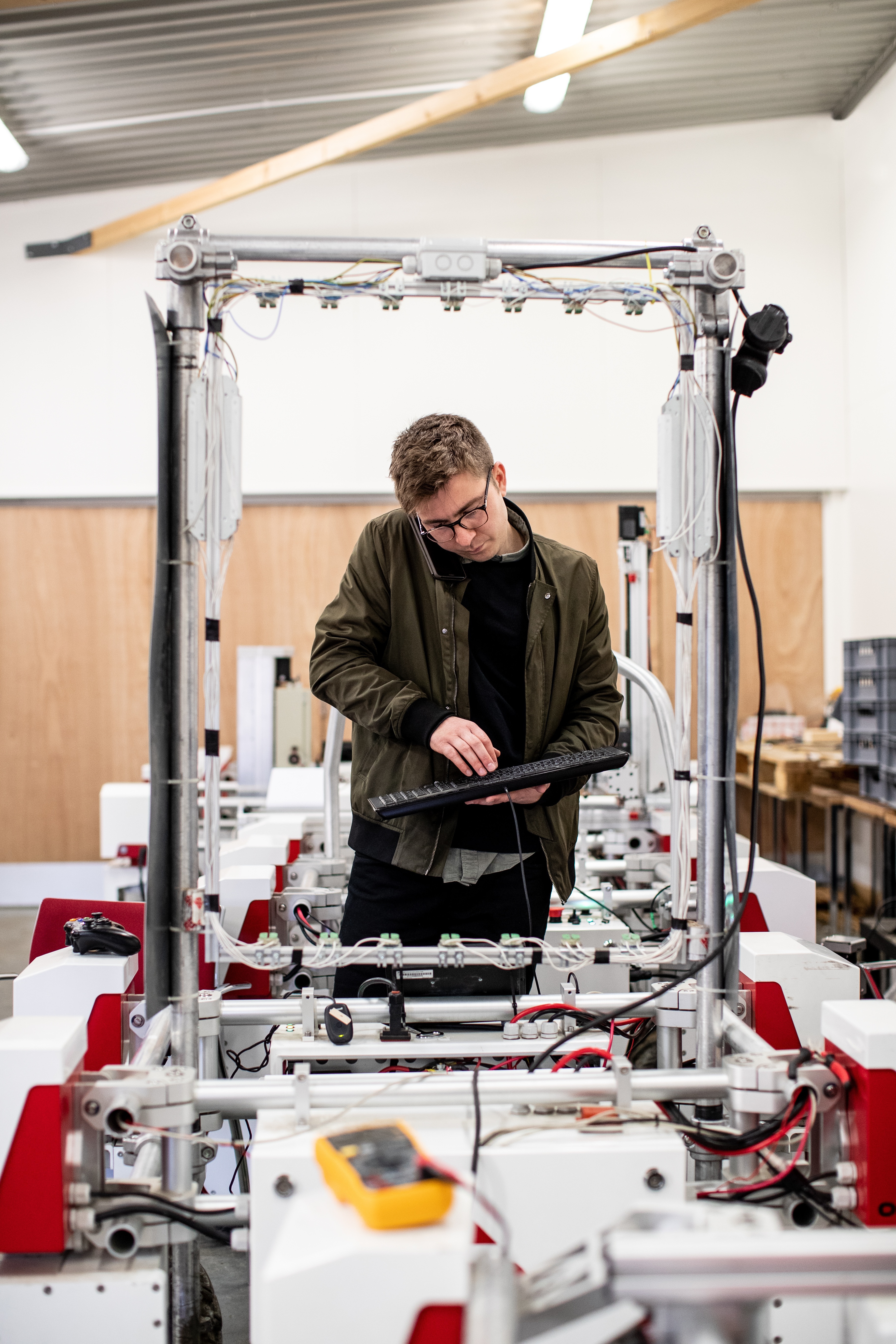
6-axis robotic arms for precision assembly, machine-vision quality control at line speed, collaborative robots (cobots) that work alongside human operators without caging, and automated guided vehicles (AGVs) for material handling. Predictive maintenance sensors feed AI models that flag failures before they happen.

Industrial · Cobot · AGV · Vision
📦

Warehouse & Logistics

Autonomous mobile robots (AMRs) replace static conveyor systems, robotic picking arms with soft-gripper end-effectors handle SKU diversity, and computer vision sorts packages at rates no manual operation can match. Real-time fleet management software keeps 200+ robots in coordinated motion with sub-centimetre positioning.

AMR · Picking · Fleet Management
🌿

Agriculture & Greenhouse

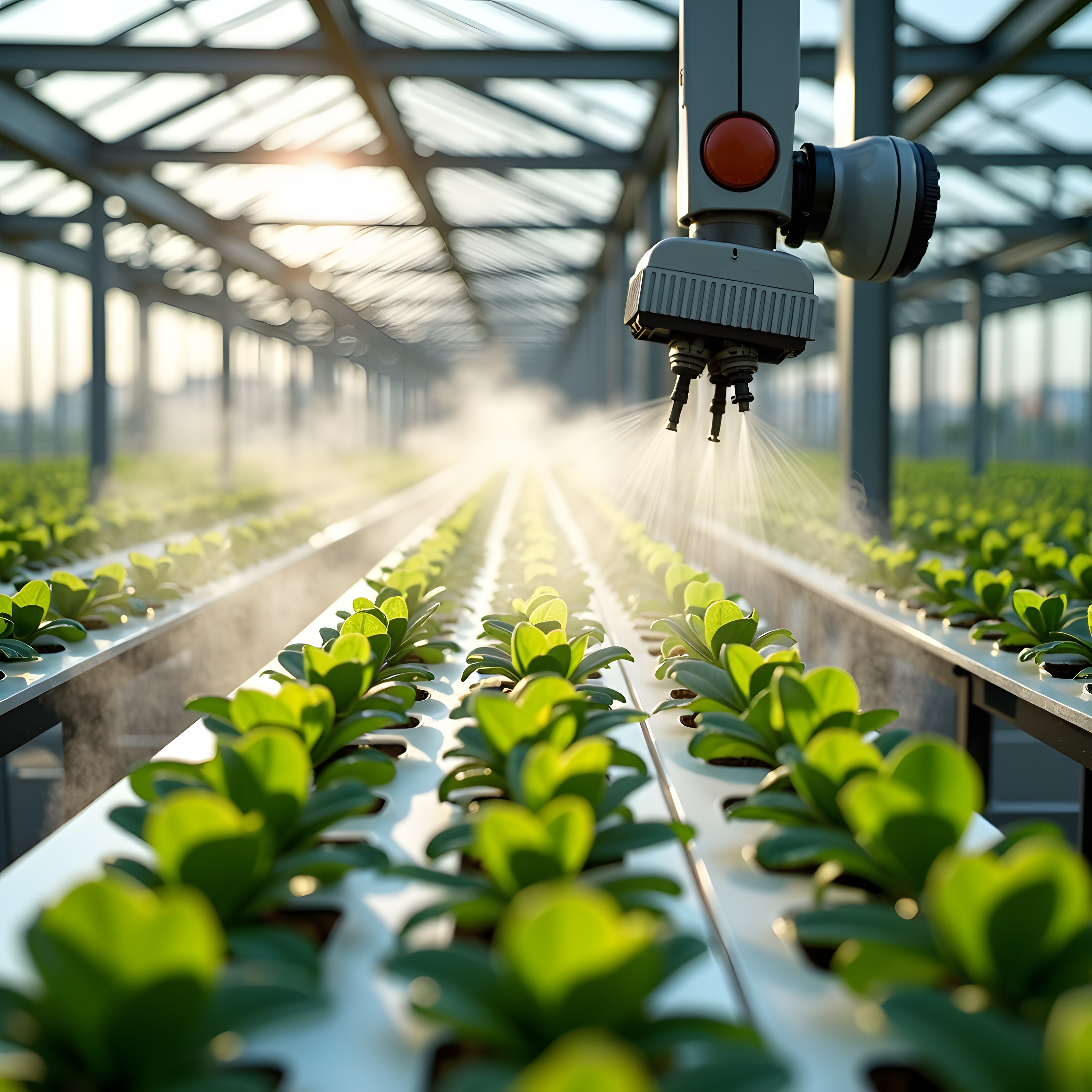
Robotic irrigation and fertigation systems precision-dose nutrients row by row. AI plant-health cameras detect disease before visible symptoms appear. Autonomous harvesting robots operate in controlled environment agriculture (CEA) facilities 24 hours a day, eliminating seasonal labour dependency and drastically reducing water usage.

AgriTech · CEA · Precision Irrigation
🤖

Humanoid & Service Robots

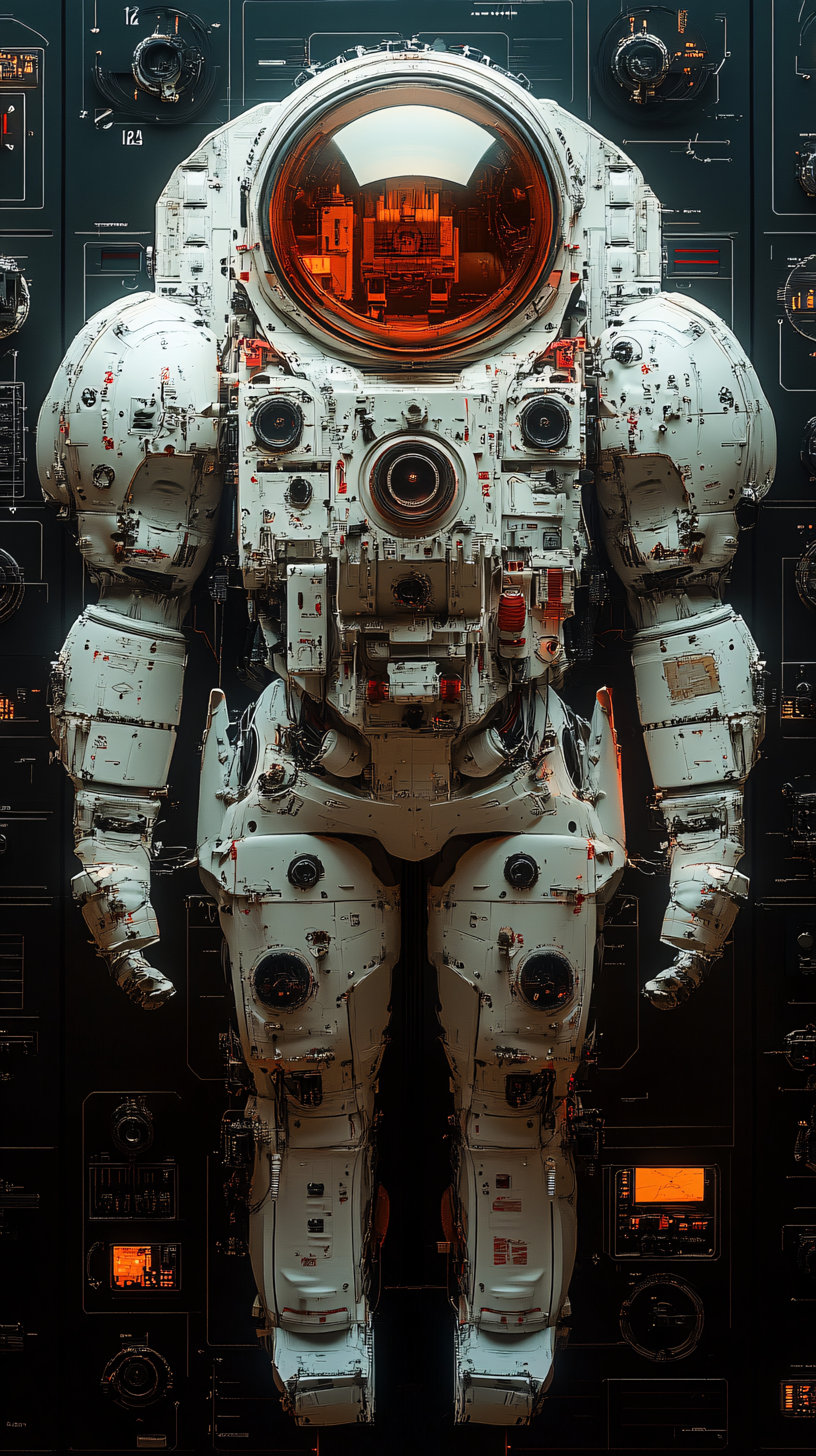
Next-generation humanoid platforms combine bipedal locomotion with dexterous manipulation and large language models for natural instruction following. Service robots are entering hospitality, healthcare, and retail — handling repetitive physical tasks while humans focus on high-judgement work.

Humanoid · LLM Integration · Service
🧠

AI & Embedded Intelligence

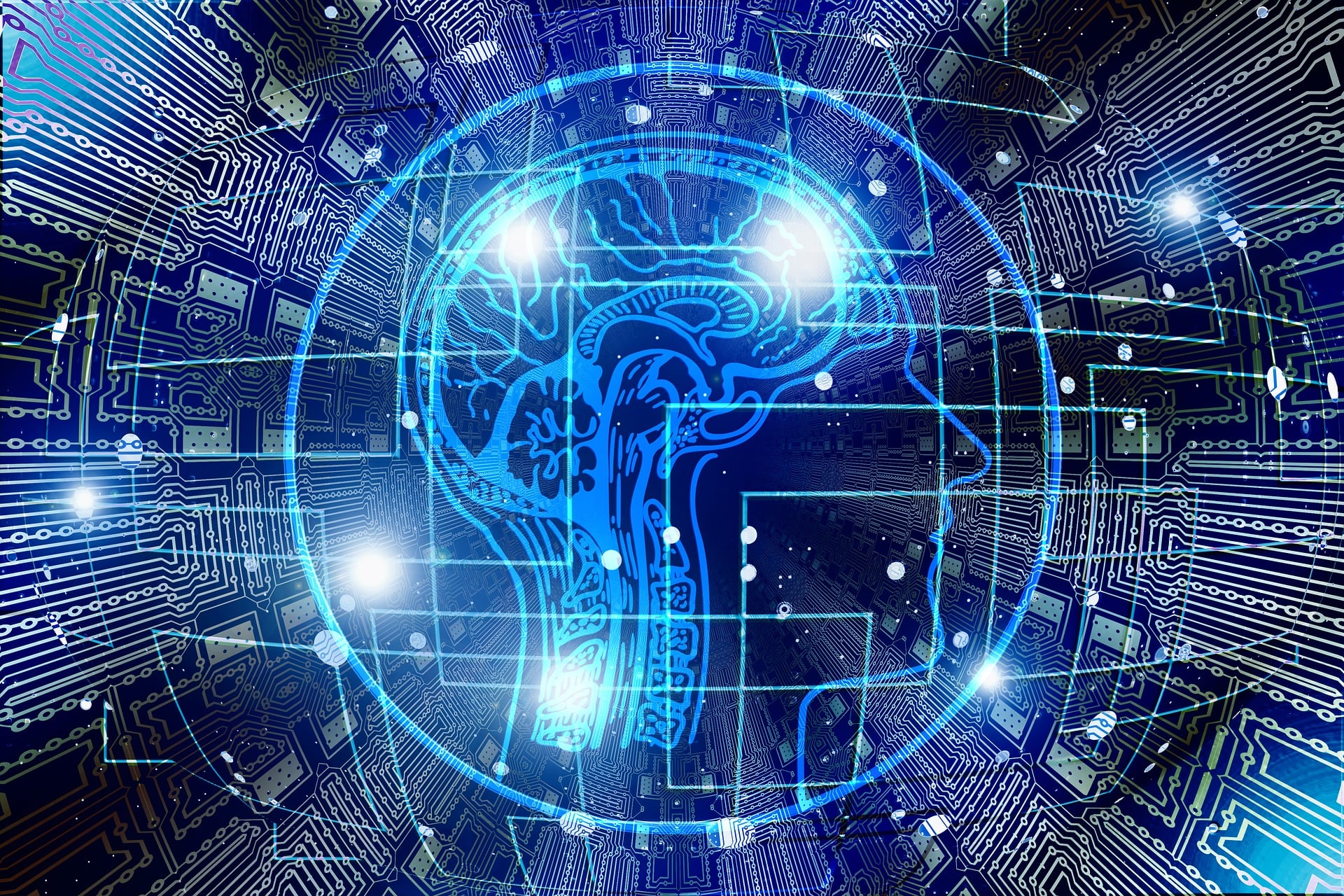
On-device AI inference chips allow robots to make decisions without cloud round-trips — critical for latency-sensitive tasks. Neural networks trained on synthetic + real data handle object detection, path planning, and anomaly recognition. The compute backbone is what differentiates a robot from a simple machine.

Edge AI · Neural Networks · Inference

Under the Hood

Core Technology Stack

Every deployment is built on a layered architecture — from mechanical actuators to cloud-connected fleet dashboards. Here's what makes autonomous systems work.

Perception — Vision & Sensors

LIDAR, stereo cameras, time-of-flight sensors, and inertial measurement units give robots a real-time 3D model of their environment. Sensor fusion algorithms combine noisy inputs into confident spatial awareness.

Planning — Path & Motion

Simultaneous Localisation and Mapping (SLAM) builds live maps. Motion planners calculate collision-free trajectories in milliseconds, replanning dynamically when obstacles appear.

Actuation — Arms, Grippers, Drives


Servo motors with torque feedback, pneumatic soft grippers for delicate handling, and differential drives for omnidirectional movement. Force-torque sensors at joints prevent damage and enable safe human interaction.

Communication — Fleet & Control

5G, Wi-Fi 6, and UWB radio for low-latency coordination. MQTT and ROS 2 DDS middleware handles inter-robot messaging. Centralised fleet management with edge failover ensures operation continues during connectivity loss.

What Makes the Difference

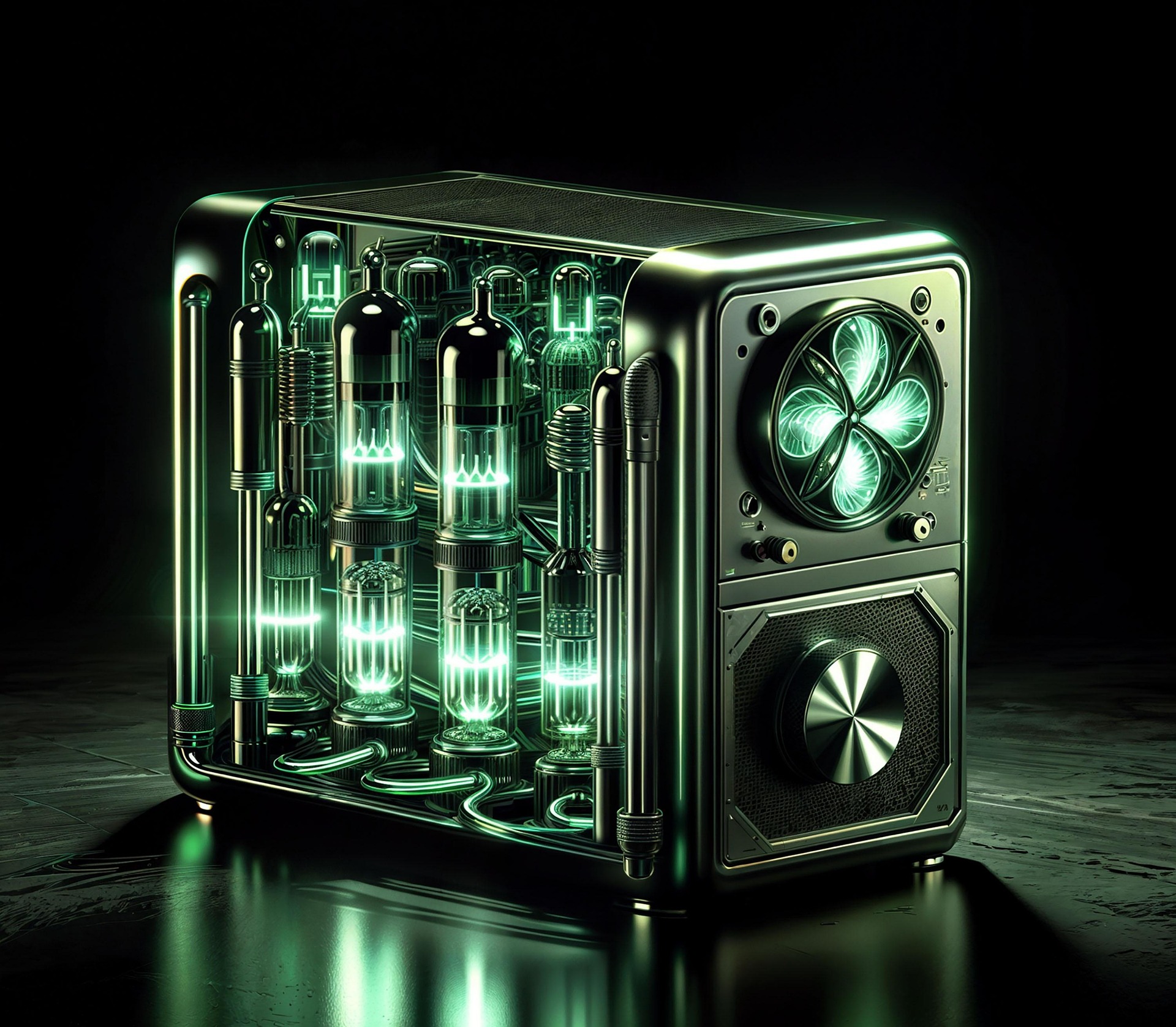
  • Valve-era vacuum tubes and thermionic electronics — historically the first "computing" components — are the conceptual ancestors of transistor-based robot brains. Decorative in modern builds, critical in history.
  • Edge compute modules (NVIDIA Jetson, Qualcomm RB5) run full neural network inference locally, removing cloud dependency for safety-critical decisions.
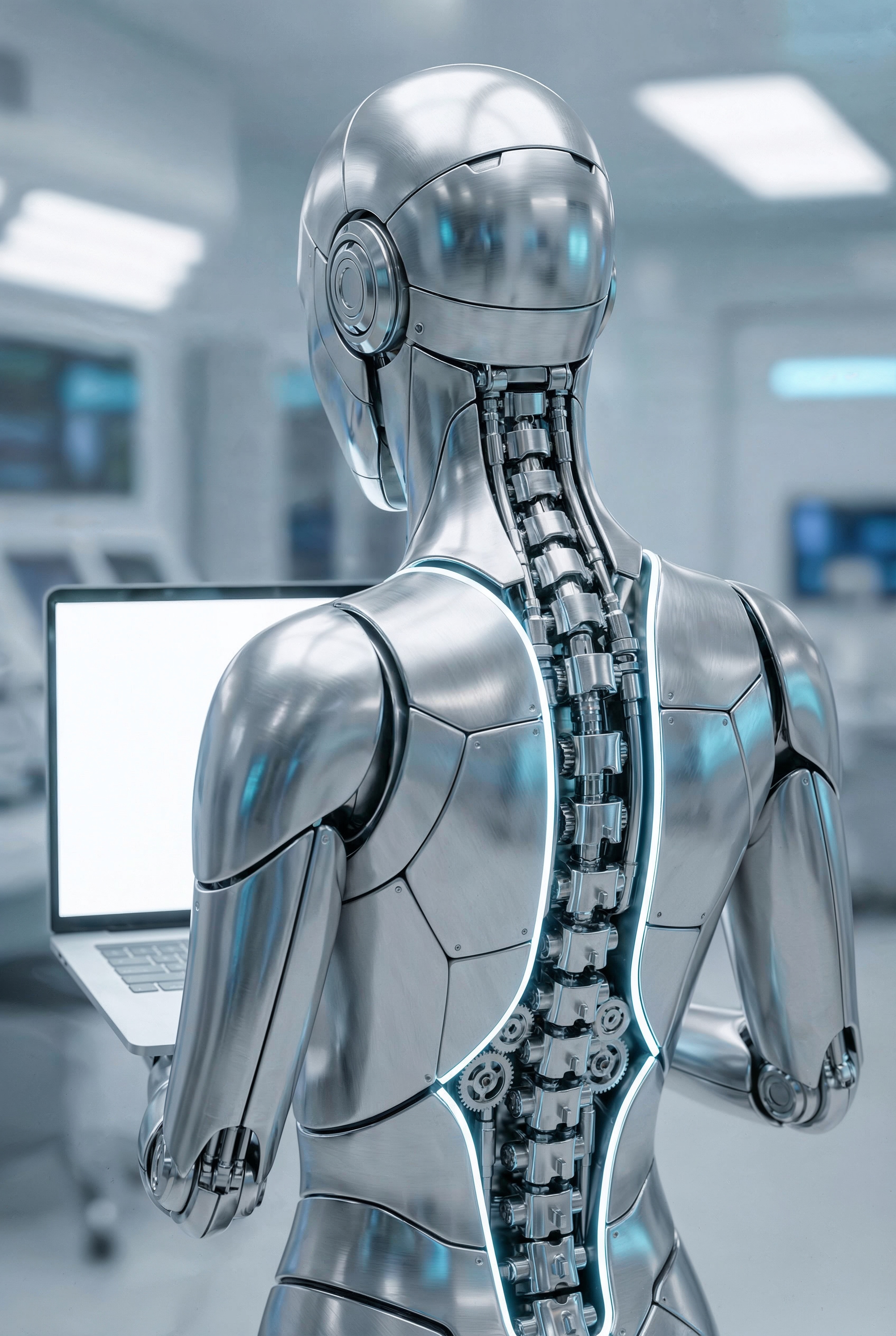
  • Robotic exospines and articulated vertebral columns, as seen in humanoid prototypes, use stacked actuator segments mimicking the human spinal column for natural movement.
  • Machine vision paired with smart home hubs allows centrally managed IoT control of security, lighting, HVAC, and entertainment from a single app or voice interface.
  • In agricultural robotics, multi-nozzle spray heads with individual solenoid valves apply pesticides or nutrients only where sensors detect a need — reducing chemical use by up to 90%.
  • Cooling in high-density compute enclosures uses active fans, heat pipes, and sometimes liquid cooling — the same physics problem at micro and macro scale.